Label inconsistency undermines exhibit quality and team confidence
Exhibit labels are often treated as a cosmetic detail, yet they directly influence readability and credibility. When fonts, placement, and formats vary from file to file, attorneys and reviewers spend more time orienting themselves and less time evaluating substance. In high-pressure litigation environments, that extra cognitive load matters.
Manual label placement also introduces avoidable production issues. Teams may misalign stickers, obscure document content, or use outdated label templates copied between matters. These inconsistencies make final packages look rushed and increase the chance of corrective edits immediately before deposition or trial.
Inconsistent visual presentation can also undermine internal confidence during case prep. When labels look different across related exhibits, teams often assume other quality controls may have slipped as well. A disciplined labeling framework helps reinforce trust in the full production pipeline.
ESPro standardizes exhibit labels across every PDF
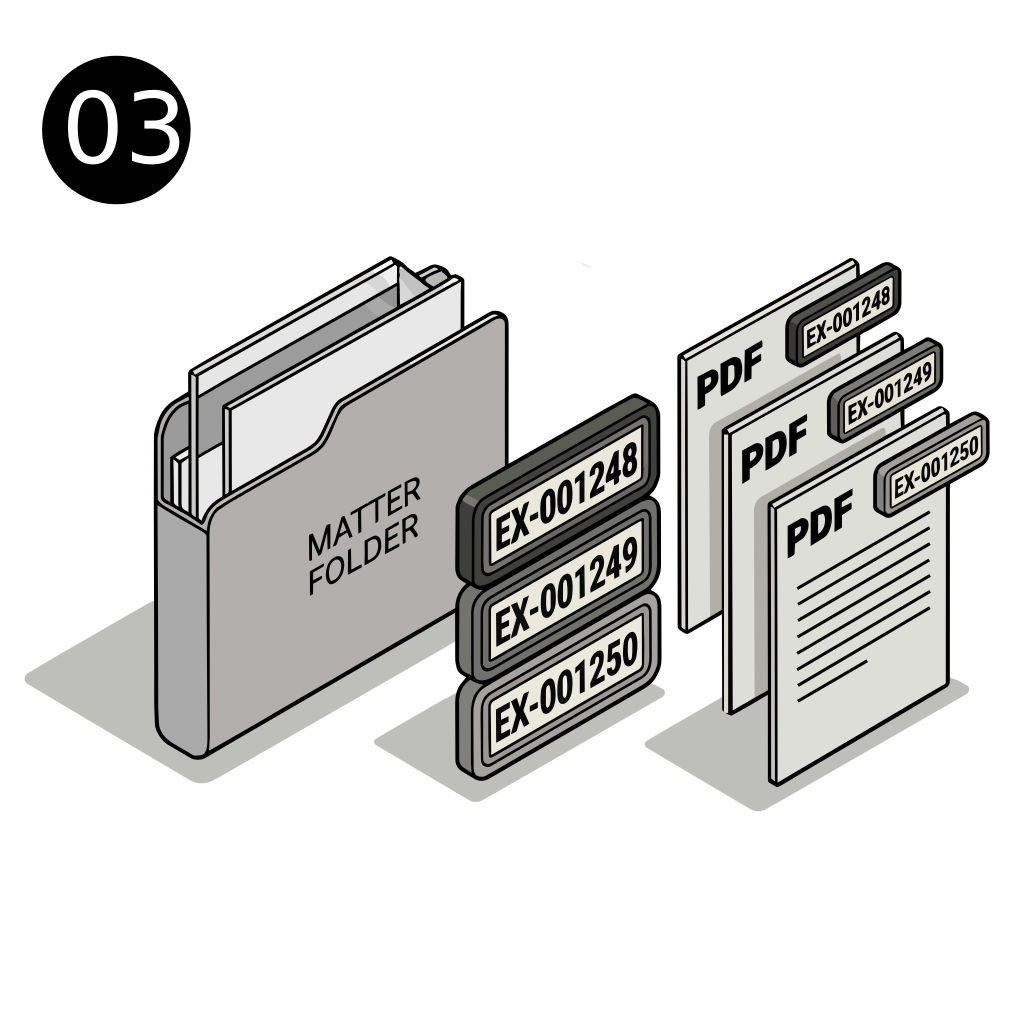
ESPro gives litigation teams a repeatable labeling framework that balances consistency with practical flexibility. You can define the style and placement standards once, then apply them across batches. The result is cleaner exhibit presentation with fewer manual touchpoints and stronger quality control.
Because labeling is integrated into exhibit prep workflows, teams can move from document intake to export without juggling multiple tools. ESPro helps maintain professional document appearance while reducing repetitive layout work, so staff can focus on accuracy and attorney support.
Centralized standards also make collaboration easier across offices and support teams. When everyone follows the same label logic, attorneys receive predictable outputs regardless of who prepared the files. That consistency supports stronger client service and fewer late-cycle formatting corrections.
What makes an exhibit label effective
Effective exhibit labels are legible, consistent, and positioned so they do not interfere with document content. They should help reviewers identify materials quickly without distracting from the evidence itself. A standardized approach also signals professionalism in every packet you deliver.
In practice, teams need a balance between strict formatting and case-specific adjustments. Label templates should be predictable enough for scale while still adaptable for different document types and preparation contexts. Software-backed workflows make this balance easier to maintain.
Well-designed labels also improve navigation during remote collaboration, where attorneys review files on different screen sizes and devices. Consistent placement and typography reduce friction and help teams locate key exhibits faster. That usability gain compounds over the course of long matters.
Electronic exhibit stickers versus manual overlays
Electronic exhibit stickers are digital label elements applied directly to PDFs. Compared with manual overlays, they reduce variability and can be deployed in repeatable batches. This makes them especially useful when teams are processing high document volume under tight schedules.
Manual methods often rely on personal habits and ad hoc templates, which leads to inconsistent outcomes across staff members. Standardized electronic labeling keeps presentation quality high and supports smoother collaboration between litigation support professionals and attorneys.
Digital sticker workflows also reduce the risk that labels are accidentally edited or moved during final document handling. By applying consistent settings through a controlled process, teams maintain visual integrity from initial prep through final packet export.
Standardized formatting for legal workflows
Standardized formatting helps everyone work faster. Attorneys can reference exhibits without questioning whether labels follow a different convention, and support teams can onboard new contributors with clear rules. Consistency also simplifies quality checks because reviewers know what to expect in each file.
When a matter evolves, teams can adjust templates and reapply labels through controlled workflows rather than rebuilding documents manually. That agility is valuable during deposition prep and trial readiness, where timelines and exhibit sets change frequently.
Operationally, standardized labels reduce cross-team interpretation gaps. External vendors, co-counsel teams, and internal reviewers can all work from materials that look and behave the same way. This reduces clarification cycles and supports cleaner handoffs in complex litigation programs.
Maintaining label standards through case changes
Label standards are most valuable when matters become unpredictable. As documents are added, removed, or reclassified, teams need a process that preserves presentation consistency without repeated manual redesign. Structured tooling allows updates to follow the same format logic even during heavy revision cycles.
Maintaining standards also improves attorney readiness. When each revised packet uses familiar label patterns, attorneys can quickly orient to new content and focus on strategy. This consistency shortens review time and reduces confusion in pre-deposition and pre-trial preparation sessions.
Across multiple matters, stable label practices become part of institutional quality culture. Teams can compare outputs, coach newer staff, and spot anomalies earlier. That discipline protects client-facing professionalism while reducing avoidable production churn.
Reviewing labels for filing and presentation readiness
Labeling standards used internally may not automatically satisfy all venue-specific expectations. Before filing or presenting exhibits, teams should run a legal review checkpoint to verify final formatting choices in the context of the specific matter and jurisdiction.
NOTE: Confirm any court- or judge-specific exhibit presentation requirements with qualified legal counsel before final submission. ESPro supports operational consistency, while legal teams make final compliance determinations.
Treating legal review as a formal stage keeps accountability clear. Support teams can optimize execution while counsel evaluates whether final presentation choices fit procedural obligations. This structure helps avoid rushed compliance checks immediately before filing deadlines.
Benefits
Why teams choose ESPro
Uniform exhibit labels across all PDFs
Cleaner visual presentation for counsel and courts
Reduced risk of misplaced or overlapping stickers
Faster preparation through batch label application
Can we create consistent label styles across cases?
Yes. ESPro supports standardized label configurations so your team can maintain a consistent presentation baseline across matters.
Does labeling work on large PDF batches?
It does. You can apply labels in batch workflows, which saves time and reduces repetitive manual formatting.
Can electronic stickers be reviewed before export?
Yes. Teams can validate placement and readability in review steps before finalizing exhibit packages.
Is ESPro only for technical litigation support users?
No. The workflow is designed for cross-functional legal teams, including paralegals, case managers, and attorneys involved in prep.
How is this different from a generic PDF editor?
ESPro is focused on exhibit preparation workflows, with integrated numbering, labeling, stamping, and export steps tailored to litigation operations.
Try ESPro in the research program
Join litigation teams testing automated exhibit stamping, numbering, and package export. 7-day sandbox access — help shape the product while improving your workflow.