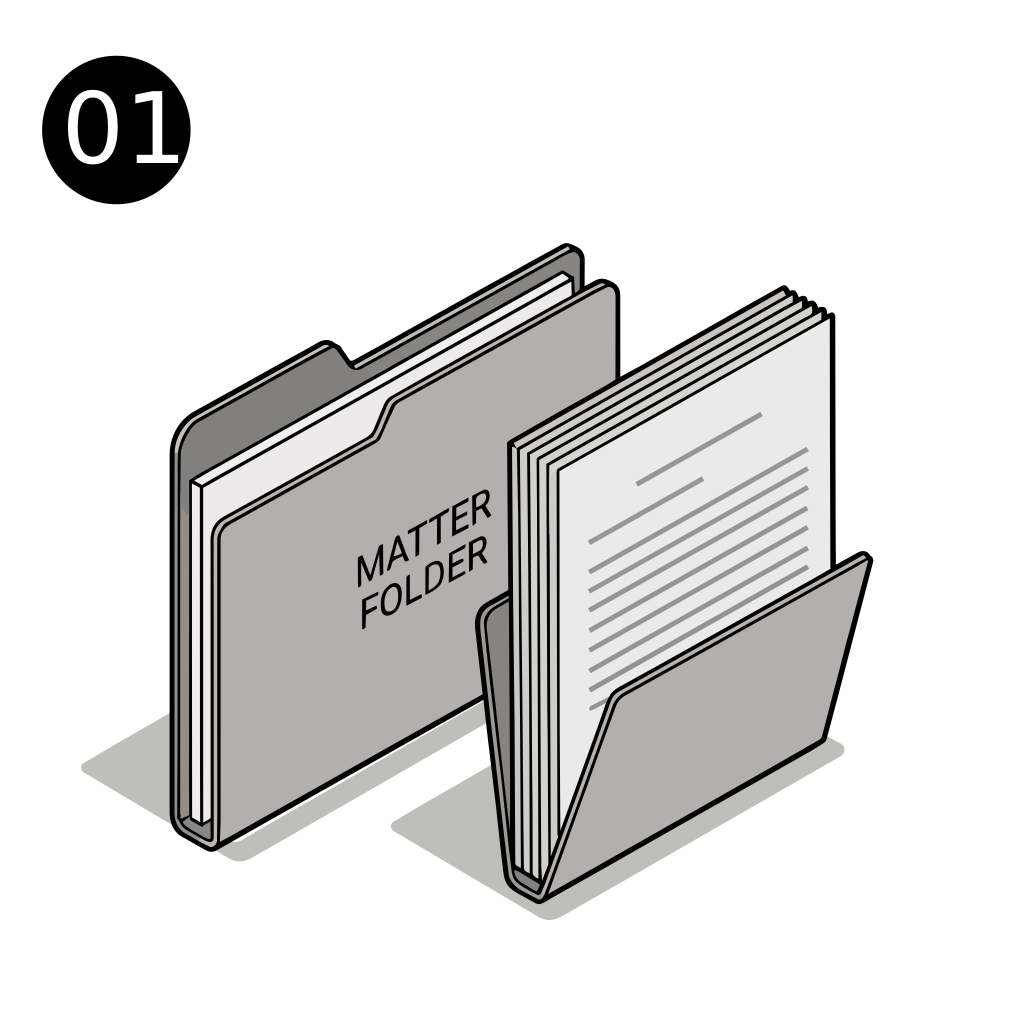
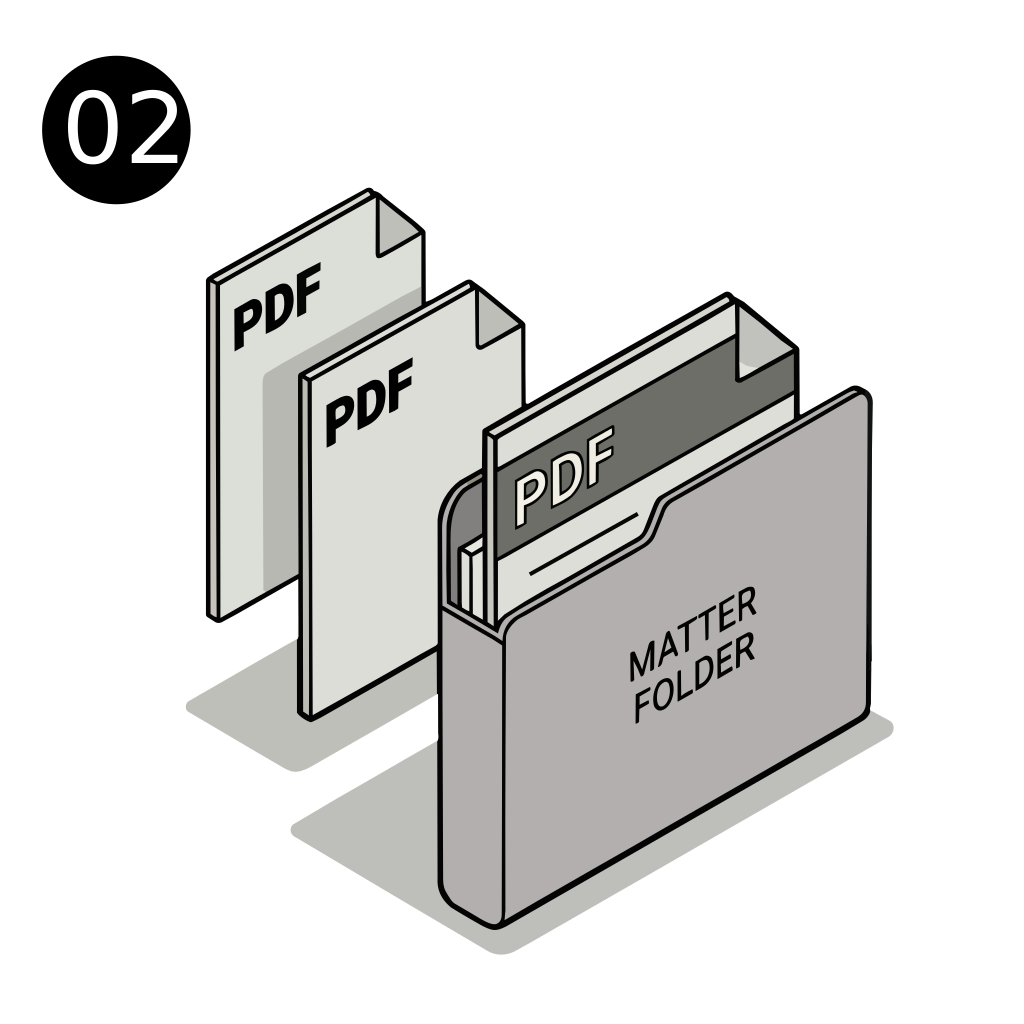
Trial exhibit preparation combines high stakes with high volume. Teams are often managing hundreds or thousands of documents while coordinating across attorneys, paralegals, and litigation support specialists. Manual processes that were acceptable during early case stages frequently collapse under trial-level pressure.
As package complexity grows, so does the risk of inconsistencies between exhibit labels, indexes, and final files. Last-minute rulings, strategy changes, and substitution requests can trigger broad rework. Without a structured system, teams burn time on reconciliation instead of focusing on presentation quality and courtroom readiness.
In complex matters, trial teams may also need to support parallel tracks such as motions, witness prep, and demonstrative coordination. When exhibit operations are manual, these demands compete for the same limited staff capacity. A scalable process is necessary to keep trial preparation stable.
Operational instability during trial prep can affect more than internal efficiency. It may disrupt courtroom planning, complicate attorney coordination, and increase pressure on support teams at critical moments. A dependable preparation framework helps preserve focus on advocacy rather than document rescue work. When workflows are stable, teams can respond to evidentiary changes quickly while keeping package integrity intact for every courtroom deadline.
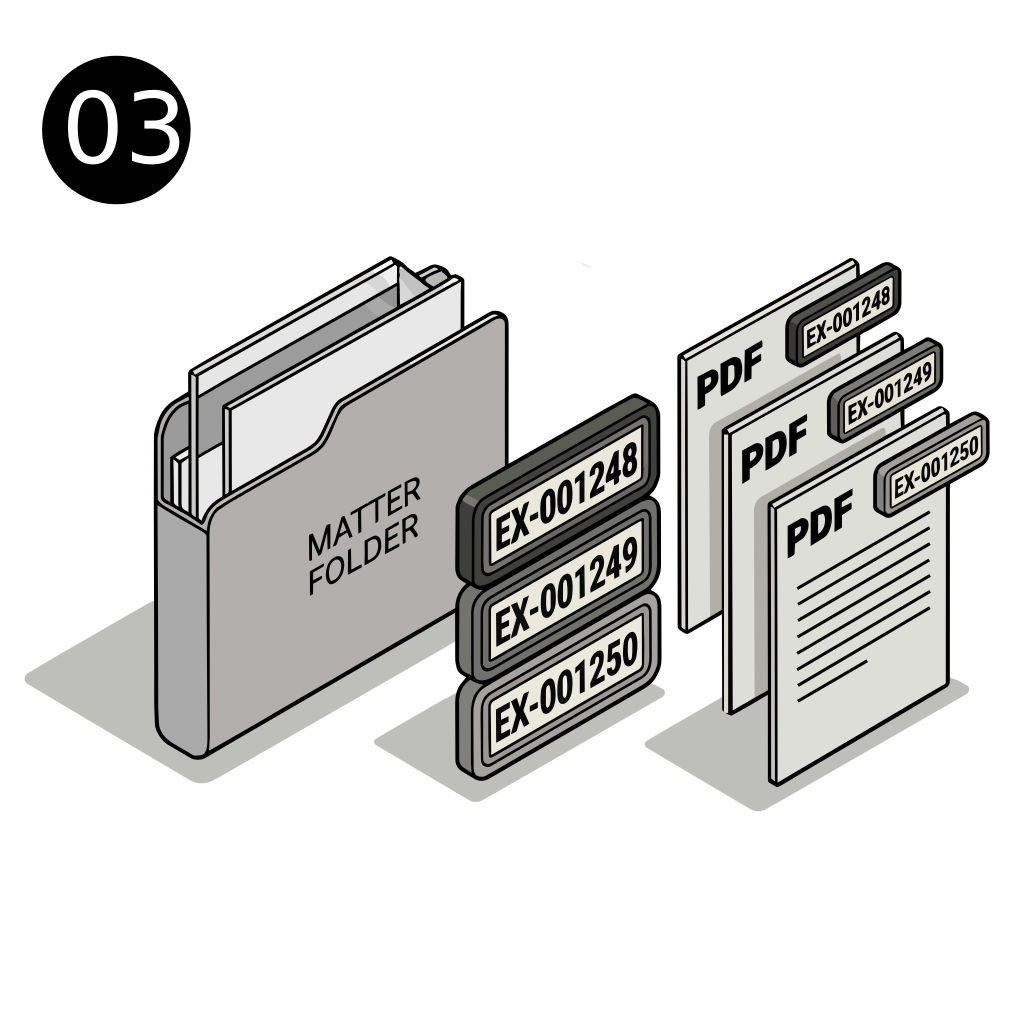
ESPro gives trial teams a workflow designed for large exhibit collections. Standardized numbering, labeling, and stamping reduce variation across contributors and matters. This consistency helps attorneys access materials faster and trust that references align with the latest prepared set.
The platform also makes updates more manageable. When trial preparation changes, teams can process revisions through predictable steps rather than ad hoc edits. That reduces operational risk and improves confidence that final packages are clean, coherent, and ready for legal review.
Operational standardization also supports clearer ownership between roles. Litigation support teams can manage document preparation cadence while attorneys focus on strategic presentation choices. This coordination reduces last-minute friction and helps keep trial teams aligned.
The result is a preparation environment where high-volume document work stays controlled even as courtroom priorities shift. Consistency in this phase protects schedule integrity and gives trial teams stronger confidence in the materials they rely on for presentation.
From case prep to trial readiness
Trial readiness requires more than having documents available. Exhibits must be organized, clearly labeled, and packaged so attorneys can locate and present them with minimal friction. Teams that treat this as a final-week task often face avoidable bottlenecks and stress.
Building readiness incrementally through standardized workflows creates better outcomes. By the time trial dates approach, the team has already established formatting discipline and package structure, making final updates faster and less disruptive.
This phased approach also improves confidence during pretrial checkpoints. Teams can validate package quality earlier, identify weak spots sooner, and avoid concentrated cleanup right before court appearances. Early discipline usually translates into smoother final execution.
Managing large collections without losing control
Large exhibit collections introduce coordination challenges: overlapping ownership, inconsistent naming, and frequent revisions. Software support helps teams maintain a single preparation standard while processing high document volume. This reduces drift and improves accountability.
With clearer structure, litigation support teams can communicate status and changes more effectively. Attorneys gain better visibility into what is final, what is pending review, and what has changed since the last package export.
It also becomes easier to maintain continuity during staffing shifts. If responsibilities move between team members, a standardized workflow preserves quality and reduces relearning. This resilience is critical during long trials with sustained preparation demands.
Building court packages with fewer rework cycles
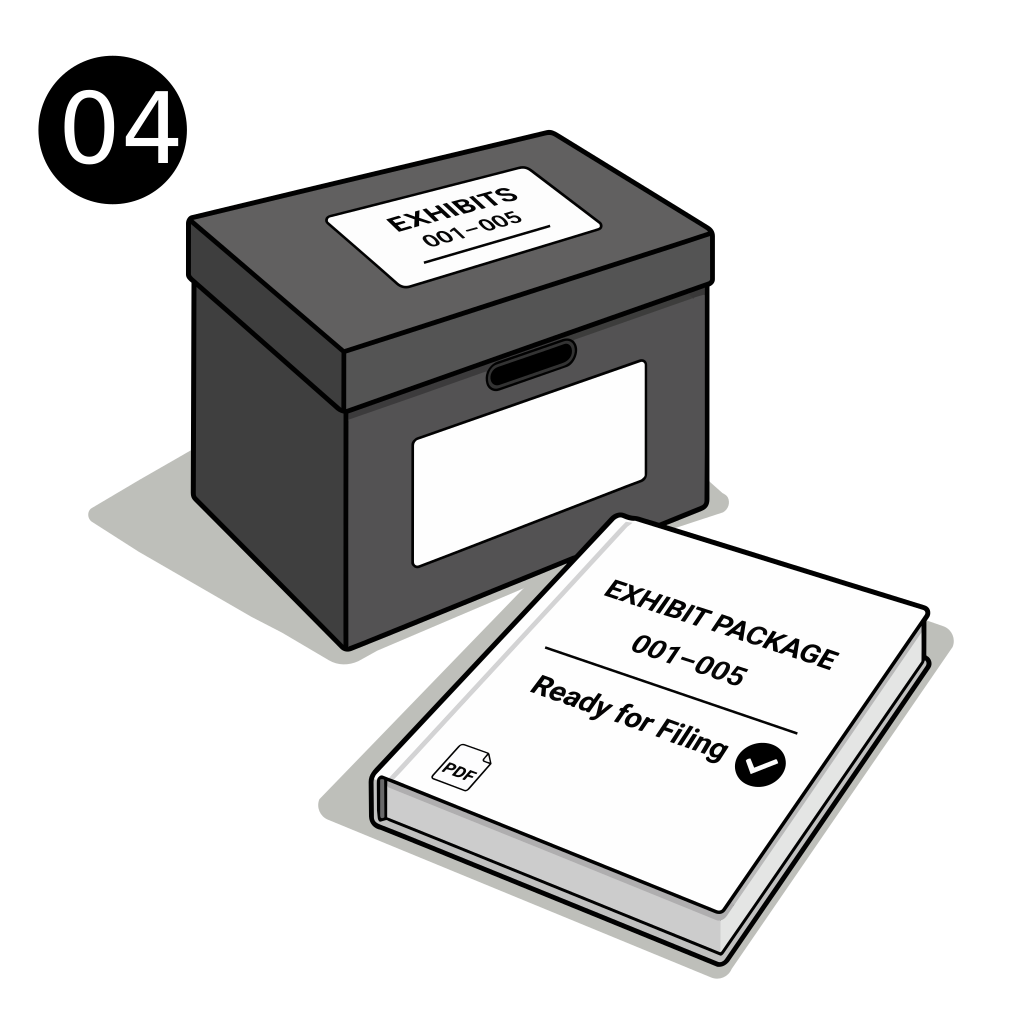
Court packages typically involve multiple iterations, especially when evidence strategy shifts. A repeatable workflow ensures each revision preserves numbering and labeling consistency while minimizing manual cleanup. Teams spend less time fixing format issues and more time validating substantive readiness.
Consistency also improves downstream coordination with trial teams, experts, and presentation staff. When exhibit structure is stable, everyone can work from aligned materials and avoid last-minute confusion.
Reliable package construction further supports clearer communication with external partners such as vendors and co-counsel. When outputs follow predictable standards, collaboration is faster and correction loops are shorter, which helps teams meet aggressive trial timetables.
Coordinating trial teams around one exhibit standard
Trial preparation frequently involves distributed teams handling different evidence categories at the same time. A unified exhibit standard keeps these parallel efforts aligned, so documents from separate contributors still assemble into coherent final packages without extensive normalization work.
Shared standards also improve communication during daily trial prep meetings. Teams can discuss updates using a common framework for labels, numbering, and package status, which reduces ambiguity. Faster alignment means attorneys receive more dependable materials for witness prep and courtroom planning.
As trial dates approach, coordination discipline becomes a risk control mechanism. When every contributor follows the same preparation model, there is less opportunity for conflicting versions or inconsistent formatting to reach final review. This stability supports smoother courtroom operations.
Court requirements and final legal sign-off
Every court may apply different exhibit handling expectations, and those details can affect final package decisions. Operational standardization should always be paired with a formal legal review step before filing or in-court use.
NOTE: Review venue-specific filing, labeling, and submission requirements with qualified legal counsel before finalizing trial exhibits. ESPro supports preparation and organization; legal teams determine final rule compliance.
Including legal review as a non-optional gate allows teams to preserve speed without sacrificing procedural care. Operations can finalize package structure early, then counsel can confirm venue-specific requirements before final submission and use.
Benefits
Why teams choose ESPro
Better control of large trial exhibit collections
Consistent formatting across multi-team workflows
Fewer breakdowns during last-minute trial revisions
Yes. The workflow is designed for high-volume matters where consistency and speed are both critical.
How does ESPro help with late trial updates?
Teams can process revisions through repeatable steps that maintain numbering and label consistency across the package.
Does this include attorney strategy tools?
ESPro focuses on exhibit preparation operations. Attorney strategy, argument development, and legal decisions remain with trial counsel.
Can multiple team members collaborate?
Yes. Standardized workflows help cross-functional teams contribute without introducing formatting drift.
Is legal review still required before court submission?
Yes. Final compliance decisions should always be confirmed by qualified legal counsel for the relevant jurisdiction.
Try ESPro in the research program
Join litigation teams testing automated exhibit stamping, numbering, and package export. 7-day sandbox access — help shape the product while improving your workflow.